Discover the Dr. Bhau Daji Lad Museum in Mumbai, a historical gem showcasing the city’s rich heritage and unique artifacts.
A Jewel in Byculla
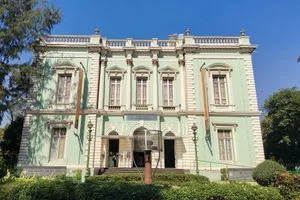
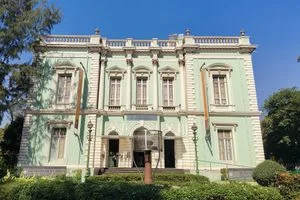
Amidst the greenery of Veermata Jijabai Bhosale Udyan in Byculla, a striking turquoise building captures the eye. This is the Dr. Bhau Daji Lad Museum, the oldest museum in Mumbai, and its historical stature is as impressive as its façade. This museum is not just a repository of artifacts; it represents centuries of cultural exchange and the evolution of a city that has long been a melting pot of influences. Its location within a beautiful park adds to its charm, making it a favored spot for both locals and tourists alike.
Rich History
Founded in 1857, this institution was initially named the Victoria and Albert Museum, shaped partly by the inspirations drawn from the Great Exhibition of 1851 in London. This connection to the Victorian era reflects the colonial mindset of its founders, who aimed to create a museum that showcased the triumphs of British colonialism. Significantly, it was the first colonial structure specifically designed to function as a museum. The choice of Byculla as its location hints at the area's historical significance as a cultural and administrative center in Mumbai.
That said, the museum has transformed over the years, shedding its colonial associations to become a more inclusive narrative of Mumbai's diverse heritage. It stands as a testament to the aspirations and complexities of a colonial past while paving the way for contemporary interpretations of art and history.
Honoring a Visionary
In 1975, the museum was renamed to celebrate Dr. Bhau Daji Lad, a distinguished scholar, surgeon, and the first Indian Sheriff of Mumbai. Reinforcing local pride, this renaming highlights how important figures can significantly shape public institutions. Dr. Lad's contributions to the establishment of the museum and his efforts in modernizing Mumbai remain pivotal to its legacy. He didn't just advocate for the museum's creation; he played a crucial role in promoting scientific education and public health initiatives in the 19th century, setting a standard for future generations.
His legacy continues to resonate today, as the museum increasingly shifts focus towards community engagement and educational outreach, ensuring that Dr. Lad’s vision of a learned and progressive society impacts contemporary Mumbai.
Exquisite Collections
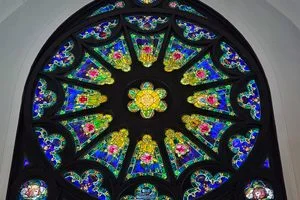
The museum's interior is equally captivating. Visitors can admire a diverse collection of historical artifacts, including statues, paintings, intricate maps, and weaponry that illuminate Mumbai’s past. These collections are organized not just to display art but to tell stories—stories of a time when Mumbai was a bustling center for trade and an entry point for colonization. Noteworthy exhibits include a model of Bombay Castle, a centerpiece of early colonial architecture, and maps detailing the transformation of the original seven islands into the metropolis we know today.
You'll find the museum does more than merely exhibit its Artefacts; it curates a narrative that connects different eras and cultures. The thoughtful placement of exhibits encourages self-reflection on the part of visitors, urging them to consider how history shapes identity. And this is the part most people overlook: the museum plays a role in asserting the significance of every layer of history that led to modern Mumbai.
Connection to the Past
Among the treasures are models of vessels used for trade and defense, as well as striking statues of important British Era figures. These artifacts highlight Mumbai's multifaceted history—one that encompasses both European colonial dominance and Indian resilience. A prominent stone elephant statue, once located on Elephanta Island, adds to the museum's allure, enriching the narrative of Mumbai's historical landscape. These elements interact to offer visitors a tactile experience of the past, fostering a deeper appreciation of the city’s roots.
Visiting the Dr. Bhau Daji Lad Museum offers a profound insight into the city's heritage and the various forces that shaped it. Each display sparks a curiosity about how Mumbai transformed from a small archipelago to a sprawling metropolis filled with vibrant communities. Understanding this context can help frame contemporary societal challenges, making the museum more than just a stop for tourists but a vital part of the city's cultural discourse.
Implications and Future Outlook
The future of institutions like the Dr. Bhau Daji Lad Museum is critical as cities grapple with their identities amid globalization. As Mumbai continues to grow and evolve, venues like this museum can play a significant role in fostering a sense of place and belonging. This relevance may become even more significant as future generations search for connections to their past. The museum's commitment to community programs and educational initiatives shows promise in making history accessible and engaging for all—transforming casual visitors into informed citizens.
What this means for you, especially if you're working in this space, is that there’s an opportunity to leverage the power of historical narratives to drive local engagement and awareness. Institutions can only succeed if they adapt to the cultural milieu of their time while remaining anchored in their roots. There’s a fine line between historical preservation and contemporary relevance—and entities like the Dr. Bhau Daji Lad Museum seem to walk that line with grace.
Discussion
Sign in to join the discussion.