Hon Chuong Tower, an ancient Cham ruin in Vietnam's De Gi, offers a unique blend of mystery and breathtaking views for adventurous explorers.
An Architectural Enigma
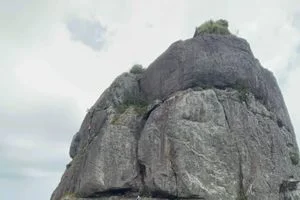
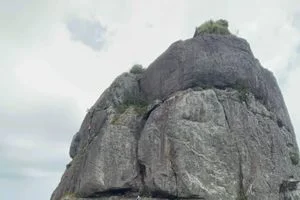
Nestled in the rugged terrain of De Gi in Phu Cat, Hon Chuong Tower presents a captivating puzzle of ancient architecture. Perched at 779 meters above sea level, this solitary Cham structure draws the curious with its solitary stance atop a rocky outcrop. Built by the Cham civilization, known for their advanced engineering and architectural skills, the tower stands as a rare testament to a culture rich in history but often overshadowed by its more prominent neighbors, such as the Khmer Empire. To understand its significance, you must appreciate the broader context of Cham architecture, which is characterized by intricate stone carvings, detailed ornamentation, and a profound connection to Hindu religious practices.
What makes Hon Chuong Tower particularly fascinating is its isolation. Unlike many other ancient structures, it's not surrounded by the typical trappings of tourism; this creates an experience that’s both personal and profound. Visitors are often struck by the quietude of the site, interrupted only by the whisper of the wind and the rustle of leaves. Here’s the thing: architecture like this can transport you to another time, making the experience of visiting Hon Chuong Tower not just scenic, but deeply enriching.
Unanswered Mysteries
The exact age and intended purpose of Hon Chuong Tower remain elusive, deepening its allure for visitors. Historical records are scarce, which is common for many sites of early Cham architecture, adding layers of intrigue. Some speculate it could date back to the 11th century, coinciding with the height of the Cham dynasty’s influence in the region. Other theories suggest it may have served as a lighthouse for navigating the nearby waters or as a religious monument dedicated to a Hindu deity. Its unique and compact design, coupled with its isolated location, creates an intriguing destination for those willing to venture off the beaten path.
Confined by nature and history, this enigmatic structure leads to tantalizing questions for historians and archaeologists alike. The material used in its construction is a mixture of brick and sandstone, common in Cham buildings, but how these materials were sourced and assembled remains part of the lingering mystery. Could it hold secrets about the Cham society’s social structure, trade routes, or even architectural techniques? What this means for you, especially if you're working in this space, is that places like Hon Chuong Tower become invaluable in piecing together the narrative of a civilization that has been largely forgotten.
Stunning Natural Scenery
The climate at this elevated site provides a backdrop of breathtaking views, showcasing sweeping mountain landscapes and untouched wilderness. The panorama invites contemplation, as it stands in stark contrast to the bustling cities below. The ascent to Hon Chuong Tower is not just a physical journey; it’s a spiritual one as well, allowing visitors to connect with the landscape and reflect on the lives that once flourished in this remote area.
Despite its beauty and potential, few travelers make it to this remote summit, enhancing the site's charm and offering a genuine journey into Vietnam's rich, yet often overlooked, history. The lack of commercialism helps preserve its authenticity, allowing visitors to experience a slice of Vietnam that feels untouched by time. Many tourists gravitate toward the more popular attractions, often overlooking the treasure trove of stories that lie in places like Hon Chuong. This is where exploration becomes fulfilling—you’re not just a passerby; you’re a participant in the unfolding narrative of a culture.
Potential Challenges
While the allure of Hon Chuong Tower is undeniable, there are challenges that come with promoting such a site. Limited infrastructure for tourists can dissuade even the most adventurous souls. Roads leading to the tower can be rugged, and accessibility might be a concern for some, particularly during inclement weather. Without proper facilities or clear signage, the journey could be frustrating. The rugged terrain that once preserved its isolation now serves as a barrier to those hoping to experience its wonders firsthand. Ensuring safety while maintaining the site's integrity is a balance that must be struck.
Another aspect to consider is the conservation of the site itself. As interest in Hon Chuong grows, so does the risk of environmental degradation. More visitors mean more wear and tear on the structure and surrounding area. This raises an important question for local authorities and cultural custodians: how can they promote the site while ensuring its preservation for future generations? This kind of dilemma isn't unique to Hon Chuong—it echoes in many heritage sites globally, where tourism often clashes with conservation efforts.
Implications and Future Outlook
The fate of Hon Chuong Tower serves as a litmus test for how we engage with cultural heritage in the tourism sector. If approaches to promote such sites can strike a balance between accessibility and preservation, they might serve as models for sustainable tourism in Vietnam and beyond. That said, it requires a conscious strategy involving local communities, governments, and historians working synergistically.
This interplay of cultures and discovery goes beyond bricks and mortar; it's about rekindling connections between people and their historical roots. If attractions like Hon Chuong Tower encourage deeper understanding and appreciation for the rich history of the Cham civilization, the impact could resonate long after the tourists leave. The challenge will be how to manage these intricate dynamics while ensuring that this architectural enigma doesn't fade into obscurity again.
In short, Hon Chuong Tower is more than just a site; it embodies the complexities of preserving history amid modernity. As interest grows, so too does the responsibility to honor what it represents.
Discussion
Sign in to join the discussion.