Burbank Airport’s new terminal, spanning 355,000 square feet, offers modern amenities and retains outdoor boarding features, enhancing passenger experience.
Introduction to the New Terminal
Hollywood Burbank Airport has opened its brand new terminal, marking the completion of a three-year construction project. This significant development reflects not just the airport's growth, but also the continuing evolution in how we approach air travel in urban settings. Airports have transformed from mere transit points into vibrant hubs that cater to a diverse range of customer needs.
Exploring the Features of the New Terminal
The expansive 355,000-square-foot facility includes 14 gates, a centralized ticketing area, a single TSA checkpoint, and indoor baggage claim. Dining and retail options are available beyond the security checkpoint, improving the overall travel experience. Facilities like these are becoming increasingly common as airports aim to lure airlines and passengers alike. With travelers often spending considerable time in terminals, having ample amenities not only enhances comfort but can also stimulate airport revenue through retail and food services.
From a technical perspective, features such as a centralized ticketing area streamline the boarding process, reducing congestion. A single TSA checkpoint minimizes confusion and leads to faster processing times, which is particularly important for frequent flyers. These are not insignificant improvements; they aim to present an efficient and modern image that appeals to travelers tired of long lines and outdated facilities. You might expect that airports which embrace modern design and efficiency are poised to attract a larger passenger base.
Design Elements and Aesthetics
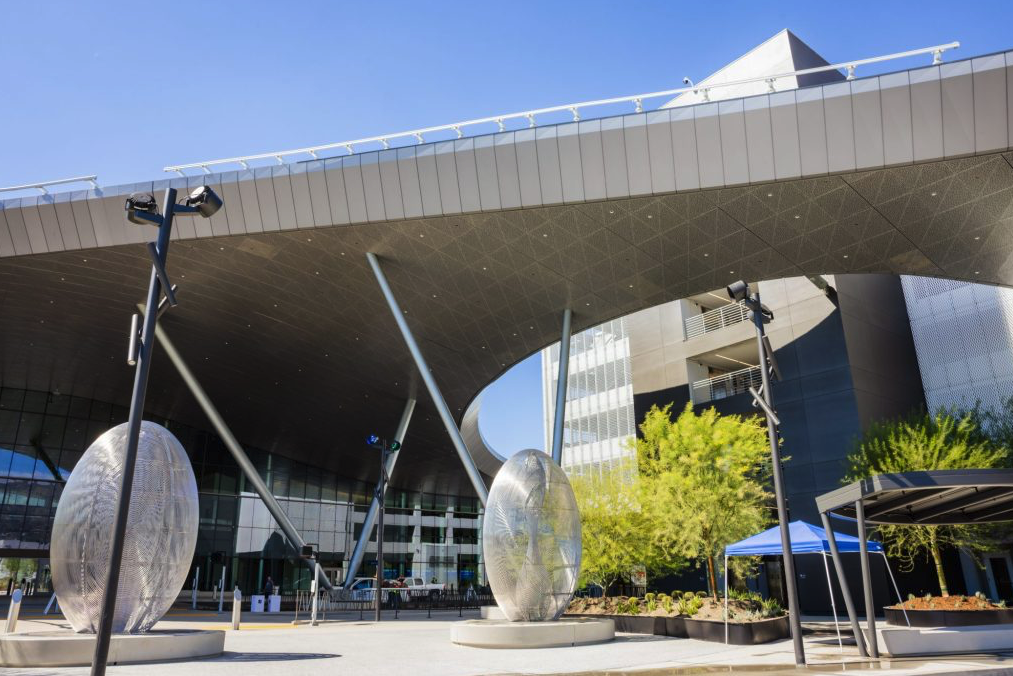
This new terminal is significantly larger, featuring higher ceilings and more charging stations, contributing to a modern, polished look. The expansion itself caters to the increasing passenger demand, reflecting not just current needs but also future projections in the travel industry. Airports face pressure to innovate and adapt; as travel volumes fluctuate, they need to balance capacity while providing comfort and utility.
A standout aspect of the design is its preservation of Burbank’s signature outdoor boarding and deplaning directly from the tarmac, maintaining a unique element of the airport's charm. This distinctive feature adds a layer of familiarity for returning travelers and speaks volumes about the airport's commitment to maintaining a local touch. While many modern airports are moving toward enclosed gate areas with jet bridges, this design choice allows for a unique passenger experience that connects travelers to the outdoors—a refreshing alternative that can become a selling point for the airport.
Operational Transition Considerations
On opening day, airport officials deployed staff to the previous terminal to guide travelers unaware of the new terminal's debut. This kind of operational foresight is often underestimated. Transitioning from an older facility to a new one can lead to initial confusion for passengers. By proactively deploying staff, the airport mitigated potential frustrations, showing an understanding that communication is key during major changes. It's these small, easy-to-miss details that often define the success of such a transformation.
The old terminal, which originated in the 1930s and underwent renovations in the '70s and '80s, is scheduled for demolition in 2027. It's fascinating to consider how transport and hospitality have evolved since the original construction. The replacement of aging infrastructures with modern facilities is a common trend, particularly in airports that find themselves increasingly outmoded as passenger expectations rise. While some may view the demolition as a loss, others see it as an opportunity for urban renewal and adaptation to modern needs—an argument that plays out in many cities grappling with outdated public services.
Airlines and Routes
Airlines operating at Hollywood Burbank include American, United, Delta, Alaska, Southwest, Allegiant, Breeze, Frontier, JetBlue, and JSX. With such a diverse lineup, the airport positions itself as a key player in the regional air transport network. A mix of major carriers alongside budget options suggests that the airport aims to appeal to a broad passenger demographic. If you're working in this space, observing the operational strategies of these airlines could offer insights into emerging travel trends and shifting market demands.
Implications of the New Terminal
The new terminal at Hollywood Burbank Airport doesn't just signify physical changes; it encapsulates the shifting priorities in air travel. With competition fierce among airports to attract airlines and passengers, the focus is increasingly on providing a holistic travel experience that extends beyond just getting from point A to B. The modern amenities and design elements are part of a broader strategy to create a destination rather than merely a transit point, making it more likely that travelers will choose Burbank over other airports when planning their journeys.
As urban air travel continues to grow, we can expect other airports to follow suit with similar upgrades or modifications to existing terminals. Ensuring that design aesthetics harmonize with operational efficiency will be essential for success. The implications go beyond aesthetics; they represent a commitment to improving customer service and traveler satisfaction—factors that can significantly influence airline decisions about flight routes and frequencies.

Discussion
Sign in to join the discussion.