Dulles has selected daa International to develop a 37,000-square-foot premium terminal with private screening, lounges and gate transfers.
A separate premium option at Dulles
The Metropolitan Washington Airports Authority has selected daa International to develop, lease and operate an upscale VIP terminal at Washington Dulles. It’s intended for passengers flying on commercial airlines who want a more personal airport experience. The terminal will be separate from the private jet terminal, and MWAA describes it as the first facility of its kind in the Washington, D.C., metro area. That distinction matters: the proposal extends a private-terminal style of service to commercial travelers, rather than creating another facility for private aircraft.
The planned terminal will cover 37,000 square feet on a 1.2-acre site near the airport’s cargo buildings. Its separate location gives the project a defined footprint outside the airport’s other passenger concourses, while its services are meant to connect customers back to their flights. The arrangement suggests a premium option layered onto Dulles’ existing facilities, with a dedicated path through some airport steps. It doesn’t replace the standard passenger journey for travelers who don’t choose the service.
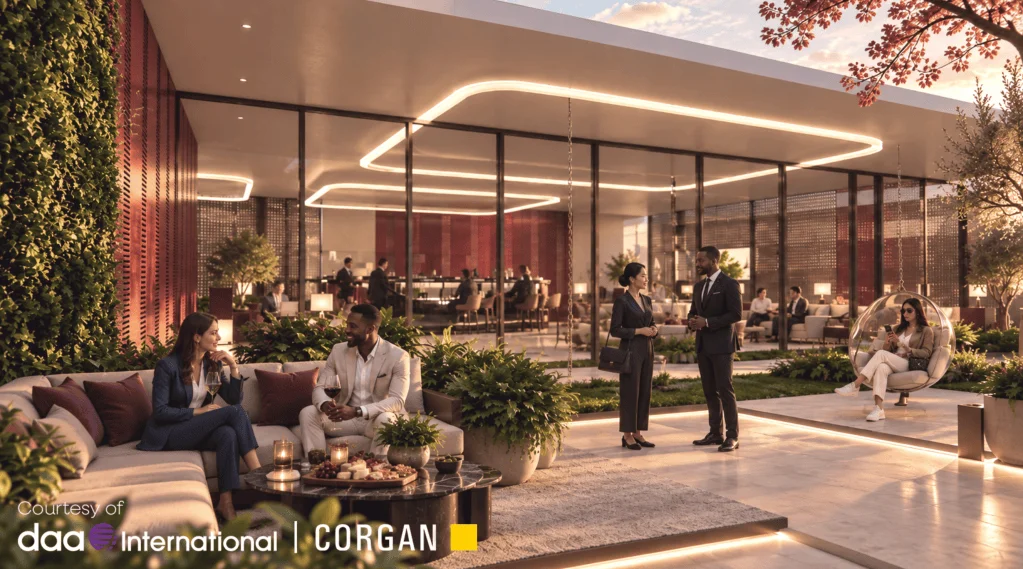
Passengers will have a dedicated parking lot and entrance, private security screening, and suites and lounges apart from the airport’s other concourses. The service plan also includes personalized check-in and baggage handling, plus premium vehicle transfers directly to gates and aircraft. Taken together, those features are designed to reduce the number of ordinary terminal steps a customer has to manage personally. The value proposition is convenience and separation, delivered through staff and private spaces rather than a different kind of flight.
That service model is familiar in broad terms: premium airport offerings often package assistance, privacy and a more controlled route through check-in and screening. The details matter, though. A separate lounge can feel like a meaningful upgrade, but the whole journey also depends on how reliably baggage, screening and the vehicle transfer connect with an airline’s departure process. The project’s description lays out the intended services; it doesn’t yet explain how they’ll work in practice for different flights or passenger needs.
What the dedicated service changes
The proposed terminal’s appeal rests on treating airport time as something customers may pay to manage differently. For some travelers, avoiding busy shared spaces and receiving help with bags could make the trip less tiring. For others, the added handoffs may matter less than the price, the time saved, or whether the service fits their schedule. MWAA’s announcement frames the project as an additional choice, not a general redesign of the airport experience.
And this is the part most people overlook: a premium building is only one piece of the experience. A private entrance and a lounge can create a sense of calm, but passengers still need to reach the correct flight and board on time. Vehicle transfers directly to gates and aircraft are a central part of the offer, so coordination between the terminal, airport operations and airlines will shape whether the service feels genuinely convenient. Those are operational questions the announcement doesn’t answer.
This is more significant than it looks for Dulles’ service mix. The airport is setting out to serve commercial passengers who want a separate, more hands-on experience without using a private jet terminal. That creates a new category of option at the airport, while leaving the standard concourses in place for the wider passenger base. If you’re working in this space, the useful question is whether the added service can deliver a consistently smoother trip, rather than simply a quieter place to wait.
Development and operating timeline
MWAA says daa International will spend 30 months developing the facility, then manage and operate it for an initial 20-year term. That gives the company responsibility across both the project’s development and its early operating life. The planned term is long enough for the terminal to become an established part of Dulles’ service offering, but the announcement doesn’t provide details on pricing, capacity or the specific customer groups the operator expects to serve.
The authority’s executive vice president and chief revenue officer, Chryssa Westerlund, said the project reflects a goal of giving passengers more choice and responds to traveler demand. That’s the stated case for the terminal. The test will be whether travelers see enough value in its mix of privacy, staff assistance and transfers to use it, and whether the service can meet expectations across the full trip. A polished interior alone won’t settle that question.
For the airport, the project adds a distinct service tier near its cargo buildings, with its own entrance and passenger facilities. For customers, the practical benefit will depend on how much friction the service removes and how well it fits their travel plans. The timeline sets out a substantial development period and a long initial operating term. The experience itself remains to be demonstrated.
What to watch as the project develops
The announcement establishes the project’s operator, location, broad scale and proposed service features. It doesn’t establish how much passengers will pay, how many people the terminal can serve, or how access will be offered. Those details will help show whether the facility is aimed at a narrow group of travelers or can attract a wider range of commercial passengers seeking extra assistance.
There’s also a practical distinction between offering a service and making it dependable. Personalized check-in and baggage handling require staff and coordination; private screening and transfers have to fit within the airport’s wider operation. Similar services typically stand or fall on whether the steps join up smoothly from arrival to boarding. The announcement gives the outline, but passengers will judge the execution.
For now, Dulles is creating room for a different kind of commercial passenger experience. It could appeal to people who place a high value on privacy and hands-on help, especially when the airport journey itself is a source of stress. Or the added separation may prove less compelling once customers weigh it against the cost and convenience of ordinary facilities. That’s the unresolved question at the heart of the project.

Discussion
Sign in to join the discussion.