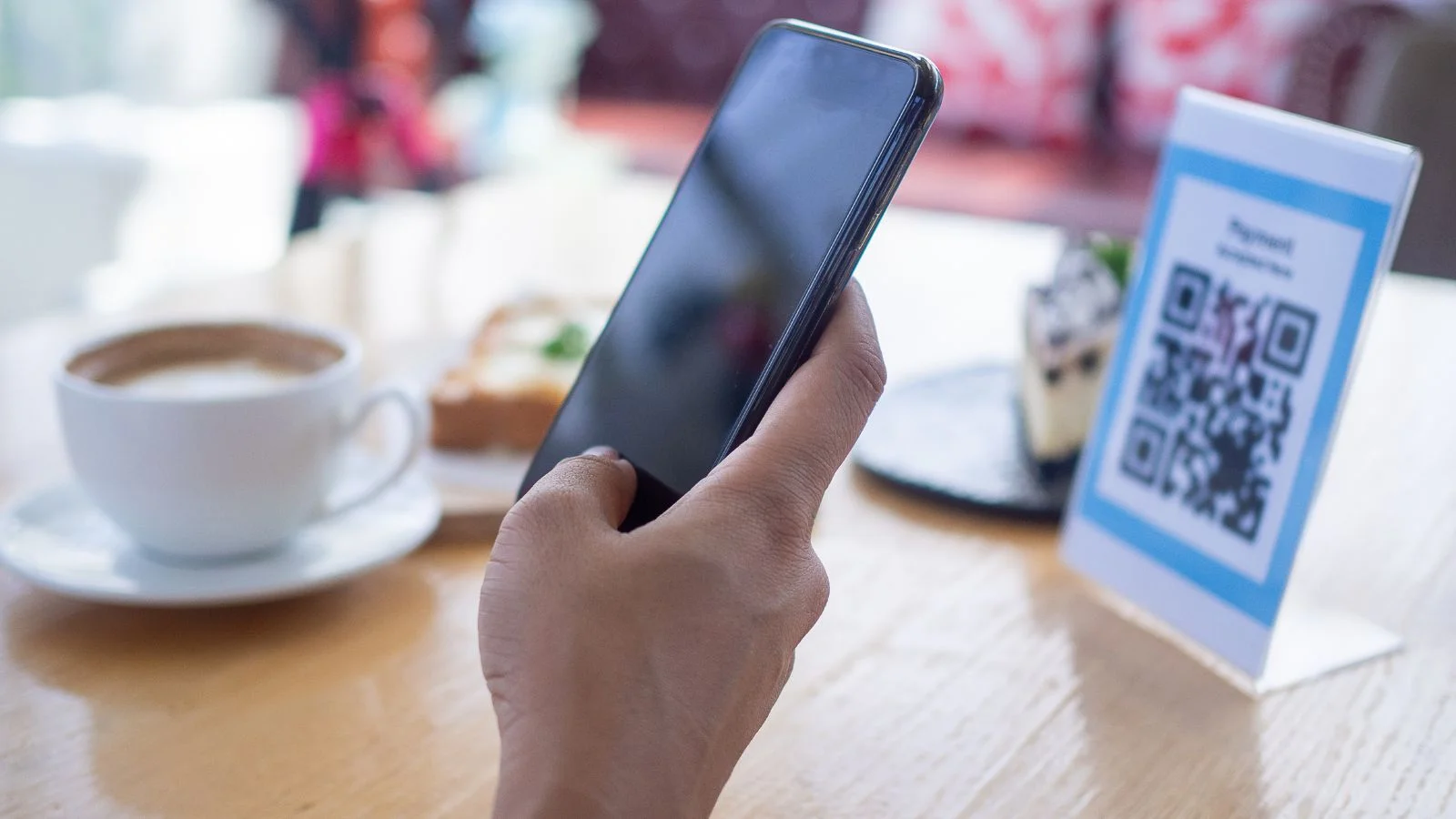
Traveling has become a digital minefield, with QR codes proliferating in various settings—from restaurant tables to train stations. While many of these codes serve legitimate purposes, they also present new opportunities for fraud. Enter the travel scam known as Quishing, a form of phishing that specifically targets travelers by exploiting QR code technology. This tactic is on the rise, catching weary travelers off guard by luring them into fake payment pages just when they are most rushed and distracted.
Recognizing Quishing: What to Watch For
If you’re navigating a city or airport, you’ll likely encounter QR codes regularly. Although the majority are authentic and safe, scammers have devised ways to craft counterfeit codes that masquerade as the real deal. A traveler could easily find a fake code affixed over an actual one at a parking meter, for example, or embedded in a hotel instruction leaflet. Misled by the familiar brand logos and layouts, many unsuspecting users inadvertently divulge sensitive information—think payment details or personal identification—simply by scanning the wrong QR code.
One common tactic includes placing a fraudulent QR code sticker directly over a legitimate one, making it appear as if everything is in order. What this means for you is that a split-second decision could lead you to a malicious site instead of a payment portal. According to warnings issued by the FTC, such deceptive practices often come accompanied by urgency, pressuring travelers into making hasty decisions without proper scrutiny.
Be especially vigilant in high-pressure environments like train stations and airports, where the sheer volume of QR codes can make it challenging to discern authenticity. Before interacting with any public QR code, remember this simple mantra: Pause. Check. Then pay. This brief habit could save you from a potentially messy situation involving identity theft or financial distress.
Staying Vigilant and Informed
To protect yourself, here are some actionable steps you can take: Always pause and evaluate any QR code before scanning; examine its condition to ensure it’s not a sticker or tampered in any way. Investigate the URL that your phone displays once you've scanned the code—watch for discrepancies such as misspelled domains or unusual link structures. If you doubt the legitimacy of a QR code, it’s safer to navigate directly to the company’s official website instead of relying on a potentially deceptive link.
Ultimately, this isn’t about giving up on the convenience that QR codes provide. Instead, it’s about cultivating a mindful scanning habit that safeguards your information while allowing you to enjoy the benefits of modern travel. The world of QR codes can be treacherous, but with a calculated approach of caution and verification, you can navigate this digital landscape effectively—keeping your trip enjoyable and secure.



Discussion
Sign in to join the discussion.