With fewer than 400 neon signs remaining, advocates are exploring ways to revive Hong Kong's once-thriving neon heritage amidst regulatory challenges.
Once a hallmark of Hong Kong's vibrant streetscape, neon signs have seen a steep decline, with fewer than 400 remaining from a peak of tens of thousands. Regulatory changes and shifting public tastes have profoundly impacted this unique cultural symbol, prompting questions about its future.
The Disappearance of Neon
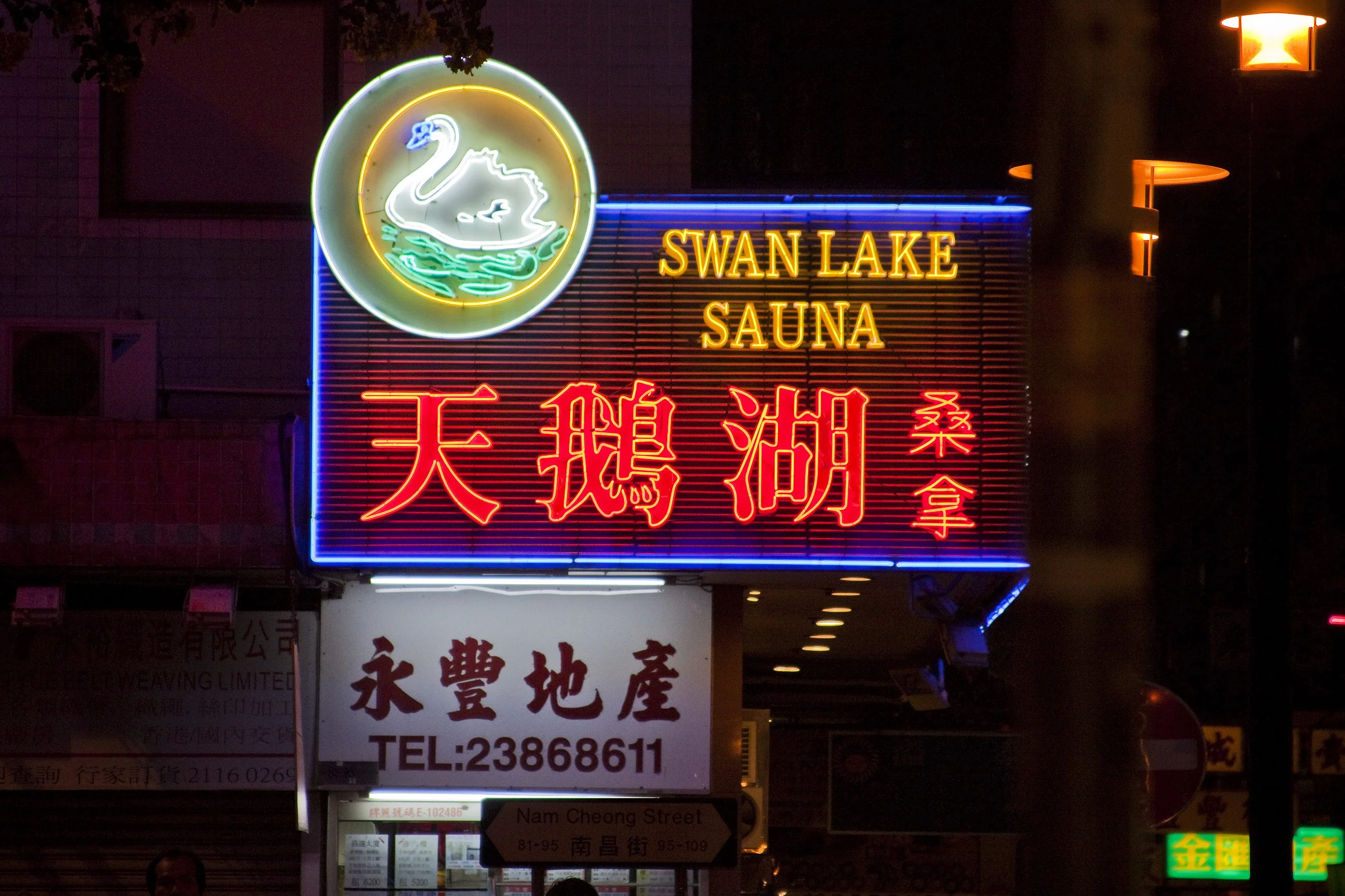
The neon landscape of Hong Kong, immortalized in cinema like Hard Boiled, has dramatically changed over the years. Back in 2010, a significant regulatory shift led to the rapid removal of nearly 190,000 signboards, including a considerable number of neon signs. Critics positioned these illuminating structures as contributors to pollution and safety risks, arguing they obstructed air flow and posed maintenance challenges. This sweeping legislation didn’t differentiate between neon and other forms of signage, effectively lumping all signboards together, which diminished the vibrancy of the city's neon culture. The consequences were stark; districts once alive with colorful lights have become shadowed, and the historical significance of neon signs is now at risk of fading entirely.

Nostalgia Meets Advocacy
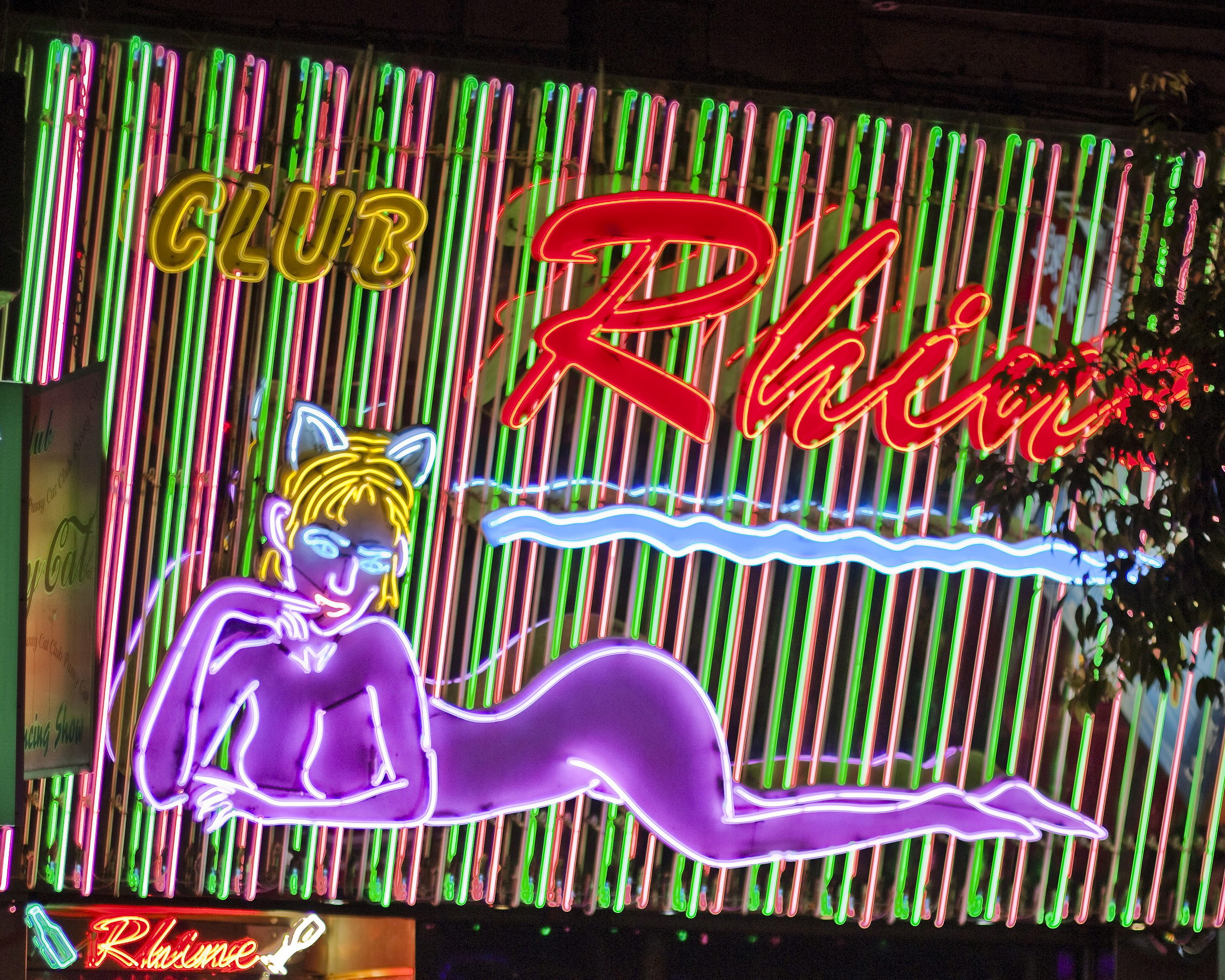
The emotional connection to neon is palpable, tracing back to post-World War II when these signs symbolized a unique cultural fusion in Hong Kong. Initially, they represented not just a means of advertisement but also an artistic expression that combined traditional Chinese scripts with the aesthetics of Art Deco. This blend narrated the story of a city’s spirit of prosperity and ambition. Over time, these once-ordinary signs became iconic, transforming public spaces into vibrant canvases of light and artistry. Their absence now resonates with many who see them as symbols of a vanishing cultural heritage.
As nostalgia for this lost art grows, a new generation has stepped up to advocate for its preservation. Engineers, designers, and passionate residents like Kevin Mak and Ken Fung, co-founders of @streetsignhk, are at the forefront of this movement. They aren’t just documenting; they’re actively showcasing the remnants of Hong Kong's neon identity through various initiatives. Their innovative installations, such as Ne-on-Ne-on, blend contemporary aesthetics with the rich history of traditional neon craftsmanship. This intersection of past and present seeks to not only conserve but also revive the emotional connections that these neon lights once fostered.
A New Wave of Neon Artistry
The revival of interest in neon has given rise to a vibrant artistic movement that seeks to redefine its role in contemporary culture. Artists like Jive Lau, operating under Kowloneon, are pushing the boundaries of traditional neon craftsmanship. Lau's workshops aim to train a new generation of craftsmen, merging the aged techniques of neon-making with modern artistic expressions. This not only preserves a dying art form but also reintroduces neon as a relevant artistic medium.
Exhibitions such as the recent Luminous Neon at Hong Kong’s Design Museum have ignited public interest, presenting historical pieces alongside contemporary works. Such events underline a robust appetite for neon art, suggesting that despite its declining numbers, there’s a public desire to revive neon culture. The interaction between old and new not only enhances appreciation for the artform but sheds light on its potential as a vehicle for social commentary, as artists explore themes of identity, memory, and urban life.

Continuing Challenges and Future Prospects
Even with these green shoots of revival, rebuilding a thriving neon culture won't come without hurdles. Skilled artisans who once dominated the field are now far fewer, with many having either retired or passed away. As society favors cheaper, more convenient LED alternatives, the demand for traditional neon appears subdued. Yet, this current wave of interest reveals a cultural yearning among both creators and the public. It reflects not merely an appreciation for aesthetic beauty but a recognition of neon as a symbol of Hong Kong's unique heritage.
As emerging artists gain traction and business owners clamor to maintain the authentic charm of the city, the future's neon glow may begin to flicker back to life. What this means for you, if you're working in this space or simply an admirer, is that while the iconic neon scenes of the past may remain elusive, today's initiatives offer a glimmer of hope. There's potential for a resurgence that captures the imagination and spirit of a new generation.
The Implications of Neon’s Resurgence
The fading of a cultural symbol like neon isn’t just about aesthetics; it reflects larger societal trends and preferences. As urban centers like Hong Kong continue to grapple with modernization and urban planning, reviving neon could serve as a counter-narrative. It’s about celebrating individuality and the city’s unique history rather than succumbing to uniformity.
This quest for preserving neon is more than simply conserving lights; it embodies a cultural nostalgia and serves as a reminder of artistic spirit in urban jungles dominated by glass and steel. What emerges could be a fusion of old and new that offers a fresh dialogue about identity, community, and innovation. Though the neon landscape may never restore its former glory, the efforts of passionate advocates and emerging artists may pave the way for a meaningful revival, serving as not just a nod to the past but a celebration of the unique artistic identity that neon represents for Hong Kong.



Discussion
Sign in to join the discussion.