A remarkable 4th-century BC Macedonian tomb showcases exquisitely preserved frescoes, despite ancient thefts that targeted its gold artifacts.
Rediscovering an Ancient Treasure
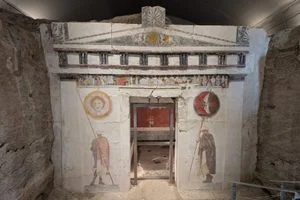
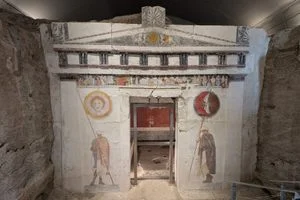
Buried beneath a 12-meter-high tumulus, a late 4th-century BC Macedonian tomb unveils a stunning secret: remarkably preserved frescoes that have endured for 2,400 years. This artistic treasure provides invaluable insight into ancient Macedonian culture. The discovery not only advances archaeological understanding but also sparks interest in the complexities of Macedonian art and social customs, especially during a time when Alexander the Great was forging one of history's greatest empires.
The Archaeological Context
In the grand narrative of ancient civilizations, Macedonia often occupies a unique space. It was the land of Philip II and Alexander the Great, pivotal figures whose conquests shaped the ancient world. Archaeological discoveries like this tomb reference the rich tapestry of cultural practices that contributed to Macedonian identity. Scholars frequently use similar finds to piece together societal structures, rituals, and artistic conventions of the time.
More than just a resting place for the dead, Macedonian tombs often reveal their creators' beliefs in the afterlife and the socio-political dynamics of the era. This tomb, sheltered by a massive earthen mound, underscores significant funerary practices, hinting at an elite burial culture. The styles of these tombs and the artifacts found within often reflect regional variances, allowing experts to compare and contrast with other famous sites such as those in Athens or the nearby Thracian region.
Artistry Amidst Loss
Despite the ancient grave robbers who once plundered the tomb of its gold, the frescoes remained untouched, illustrating a vibrant scene of life. The tomb's impressive facade boasts a pediment adorned with golden-winged griffins, while its interior features a detailed symposium frieze depicting a lively banquet. The fresco showcases six garlanded men reclining with wine, accompanied by musicians, as a procession of hunters and infantry approaches in the background. Two life-sized young guards, full of sorrow, stand vigil by the stone doorway, adding a poignant touch to the tomb's narrative.
This scene isn't just decoration; it holds keys to understanding social dynamics in Macedonian society. Banqueting, or symposia, was integral to political and social life—an arena where alliances could be forged and power dynamics negotiated. The presence of musicians and hunters suggests roles that extended beyond mere entertainment. Rituals involving these gatherings often emphasized communal identity and status. Think about it: these frescoes serve as a narrative, presenting not merely figures, but social interactions and shared experiences.
It's interesting how the presence of the sorrowful guards adds layers to the interpretation. They do more than protect the tomb; they embody the mournful aspect of death and the weight of loss. In many ways, they act as silent witnesses to the festivities that occur simultaneously in the fresco, creating a juxtaposition that is compelling and thought-provoking.
Preservation Challenges
Artistic works like these are fragile, and their preservation often comes with significant challenges. The process of unearthing such artifacts has to be meticulously planned. Archaeologists often face the dilemma of how to preserve what they find without compromising its structural integrity. The delicate nature of frescoes means that even slight environmental changes can lead to deterioration. Specialists often use a mix of chemical treatments and environmental controls to ensure these treasures remain intact for future generations.
The technology and techniques employed in restoration work are constantly developing. From advanced imaging technologies that can analyze pigments and materials to significant conservation methods that prioritize the stability of uncovered artworks, researchers operate on various fronts to safeguard this cultural heritage. The situation is not without its controversies, though. Some argue that aggressive restoration can alter the original context and intent of artworks, leading to potential misinterpretations.
Implications for Cultural Understanding
This discovery carries implications beyond mere historical interest. The frescoes can alter perceptions of Macedonian society, pushing scholars to reconsider assumptions about its culture and everyday life. Ancient art offers clues about rituals, daily activities, and even standings within society. If you’re working in this space, you know that the aesthetics of artwork can often reveal the values and norms of those who created it.
Furthermore, breakthroughs like this provoke discussions around the preservation of cultural heritage in a broader context. How do we approach the protection of such sites that face threats from modern development, climate change, or illicit excavation? Policymakers must balance tourism and accessibility against the irreversible impacts human interaction can have on archaeological sites. The frescoes serve as a reminder that while the past offers valuable lessons, it also requires careful stewardship.
Future Outlook
As the field of archaeology evolves, incorporating advanced technologies can yield even more insights from sites like this tomb. Virtual reality and digital modeling might soon provide interactive experiences for both researchers and the public, allowing people to engage with history in unprecedented ways. These methods can lead to a revival of interest, making ancient cultures more palpable for those far removed from their origins. What this means for communities, both local and global, is a broader appreciation for shared heritage and a renewed sense of responsibility toward protecting it.
This discovery indeed looks like just the beginning. With ongoing research and a commitment to safeguarding these historical markers, there's much to anticipate in the coming years.
Discussion
Sign in to join the discussion.