The story of Žorik, a stray dog in Tallinn, is celebrated with a heartfelt statue, symbolizing community bonds and memories that transcend social divides.
Žorik: A Beloved Stray
Žorik became an iconic figure in Tallinn during his life, which spanned roughly fifteen years, a time when the presence of stray dogs was increasingly uncommon in the city. Born in 2007 in Kalamaja, a once-working-class fishing area that transformed through gentrification, he soon lost his first owner as a puppy and found himself navigating life on the streets. The urban environment of Tallinn, characterized by modernization and rapid change, posed many challenges for a stray. Unlike some cities, where strays find their place amid a less bustling atmosphere, Žorik adapted to the evolving landscape of his neighborhood, marked by new construction and shifting demographics.
The Phantom Dog
This wanderer shuttled between the harbor and a shopping center's parking lot, where locals ensured he was better fed than many of them. Known affectionately as "the phantom dog," Žorik had a knack for disappearing every time animal control made attempts to round him up. His evasion wasn't just a clever trick; it spoke volumes about his instincts honed from years on the streets. Residents speculated that past hardships had instilled a sense of distrust towards humans, which, in many ways, reflects the general attitudes stray animals develop after facing abandonment or neglect.
A Symbol of Connection
His dark, shaggy cloak earned him the Russian nickname Ugaljok ("little piece of coal"), reflecting his distinctive appearance. Despite his rough beginnings, Žorik bridged community divides, securing the hearts of both Estonian hipsters, who later opened a café in his honor, and Russian-speaking pensioners who cared for him. In this diverse urban environment, Žorik became a unifying figure, transcending the barriers that often separate different cultural groups. He evolved into a symbol of social integration within Kalamaja, an emblem of how a community can come together over shared affection for an animal. His presence encouraged conversations among residents who may not have interacted otherwise.
A Lasting Tribute
As age took its toll on Žorik, he became increasingly vulnerable, often found dozing on train tracks and roads. In 2020, for his safety, he was moved to a foster family's home in the countryside. The decision marked a turning point. His absence was deeply felt by the community, who initiated fundraising efforts to create a statue in his memory, demonstrating not just the affection they had for him but also the void he left in their daily lives. The impulse to commemorate a stray dog highlights the profound connections that can exist between humans and animals, even in an era when stray populations are managed strictly.
Statue Unveiling
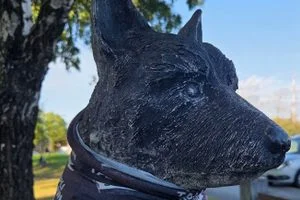
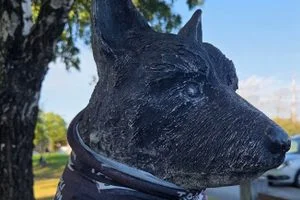
Commissioned to capture his likeness, local sculptor Kain Rezev created the bronze statue, financed by contributions from 61 residents. This wasn't just a personal project for many; it became a collective cultural expression, representing the spirit of the community. Unveiled in October 2020 on World Animal Day, the statue stands outside the shopping center, depicting Žorik with a cat curled at his feet, paying homage to the neighborhood cats he often watched over. The design accentuated not only Žorik's legacy but also acknowledged the intertwined existence of different species in the urban environment. Such tributes serve to remind us that all forms of life contribute to the richness of our communities.
A Fond Farewell
Žorik lived with his foster family for just over a year after the statue was erected, passing away in January 2022. His death prompted a candlelight vigil organized by local fishermen, and touching scenes were captured by Estonian television as neighbors paid their respects at his memorial, reflecting on the cherished bond they had with their once-upon-a-time free-roaming companion. It was a moment saturated with emotion, evidence of the significant impact a single creature can have. Žorik's story illustrates the deep connections communities can forge with animals, particularly those who navigate life's hardships alongside them.
Implications and Observations
The tale of Žorik is more than just an endearing story about a stray dog; it reveals deeper social dynamics at play in urban environments. If you're working in this space, consider how such narratives can serve as case studies for community engagement and social cohesion. The affection for Žorik and the subsequent creation of his statue underscores a yearning for connection in a rapidly modernizing world. The way communities rally around shared figures can be a barometer for social health. And yet, as cities continue to evolve, the place for strays may become increasingly tenuous, raising questions about how urbanization impacts not just humans but also the wildlife that inhabit these spaces. This is a reminder that while we modernize, it’s essential to cultivate spaces where all beings can coexist.
Discussion
Sign in to join the discussion.