The Oculus Tower in Ferrara repurposes an industrial past into a striking architectural space, blending historical significance with modern design.
A Glimpse at the Oculus Tower
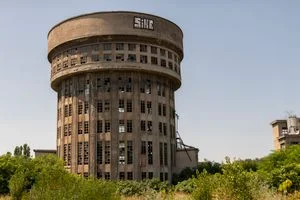
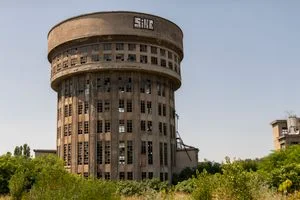
The Oculus Tower stands as an arresting visual, merging modern design with deep industrial roots. At first sight, it looks less like a leftover structure from a historical distillery and more like a contemporary venue designed for art exhibits or community gatherings. Rising from the remnants of Ferrara's Eridania industrial plant, this seven-story circular concrete structure once served as a hub for large-scale alcohol production. Its transformation isn’t just an architectural feat; it reflects a significant shift in how societies are repurposing industrial spaces in an age when history meets innovation.
Architectural Features
The most captivating aspect of the Oculus Tower is its vast open center, which is both visually striking and strategically vital to its design. This void, previously home to heavy distillation apparatus, now welcomes sunlight through a sizable glass skylight dubbed the oculus. The natural light flooding the space creates an inviting atmosphere that makes the interior feel expansive and airy. Surrounding this central void, the structure’s seven floors are arranged in a gallery-like fashion, encouraging movement and exploration. The design isn't merely aesthetic; it enhances visitor experience by allowing glimpses of the various levels while offering a sensory journey from light to shadow.
The facade of the Oculus Tower is another topic of interest. Punctuated by rows of windows, it evokes a modern resemblance to the ancient Colosseum, merging the echoes of historical architecture with contemporary material choices. You'll notice that this blending of styles isn't an accident; it symbolizes a tribute to the city’s rich architectural heritage while embracing the future. What once represented production and industry now embodies creativity and community, making the Oculus Tower a key player in an evolving architectural narrative.
Historical Context
The distillery that preceded the Oculus Tower was notable for converting beet molasses into both raw and refined spirits, along with producing denatured alcohol for liqueurs and cosmetics. During its operational years, the site contributed significantly to the local economy and forms part of Ferrara's industrial memory. The closure of the distillery in the 2000s marked the end of an era, but rather than allowing the structure to fade into irrelevance, stakeholders sought to repurpose it. Most of the original site was dismantled, yet the Oculus Tower remained. It not only serves as a reminder of Ferrara’s industrial legacy but showcases an adaptive reuse approach to architecture that cities around the globe are increasingly embracing.
This trend of preserving and repurposing industrial spaces often raises questions about heritage conservation versus the need for modern developments. And this is the part most people overlook: the tension between wanting to honor our historical footprints and the push for urban modernization. The preservation of buildings like the Oculus Tower illustrates a balance that some municipalities successfully navigate while others struggle to achieve.
A Modern Symbol
Currently, the Oculus Tower has become a modern symbol of Italian industrial heritage. It stands monumental and geometric, evoking a theatrical presence within a contemporary context. This new life as a cultural landmark invites local residents and tourists alike to engage with its history while appreciating its present form. Interestingly, it contrasts the typical notion of historical buildings, often seen as static reminders of the past. Instead, the Oculus Tower embodies the concept of dynamic memory—an evolving space that adapts to the needs and aspirations of modern society.
As industrial sites across Europe face similar fates, the transformation of the Oculus Tower could serve as a model. It demonstrates how careful planning and design can breathe new life into old structures, creating facilities that meet modern needs while honoring their historical significance. This approach invites other cities—including those with rich industrial histories—to rethink their strategies for urban redevelopment.
Implications for the Future
What does the Oculus Tower's rebirth mean for urban development? For one, it's a striking example of how communities can rally around their history to create spaces that resonate with the present. If you're working in this space, consider how projects like this not only respect the past but also inspire future developments. The adaptability of such structures aligns with an increasing need for multifunctional spaces that can cater to both cultural and commercial needs.
Moreover, the trend toward repurposing industrial buildings is growing, and each project carries implications for local economies and cultural identity. As stakeholders and developers evaluate potential projects, the success of spaces like the Oculus Tower might lead to more projects aimed at reclamation rather than demolition, thus preserving the narrative of the urban experience.
This represents both an opportunity and a challenge. It's crucial that any new developments recognize the stories embedded within these walls, ensuring they serve the community while also respecting the past. Can the balance be maintained in a way that both uplifts and honors urban heritage? Only time will tell, but in cities increasingly defined by their cultural narratives, initiatives like the Oculus Tower may be indicative of a broader movement toward preservation and innovation.

Discussion
Sign in to join the discussion.